Recycling Plant Icon: An Embroidery Review
As a professional embroidery designer and product reviewer, I approach every new graphic asset with a specific question: will this actually stitch out cleanly on fabric? When evaluating the Recycling Plant Icon for real-world application, my focus shifts immediately from its digital utility to its physical viability. While this asset is marketed as a simple line element symbol for templates, web design, and infographics, its clean geometry makes it a compelling candidate for digitizing into a machine embroidery design. For Etsy sellers, apparel decorators, and makers focusing on sustainability themes, understanding how this vector translates to thread is crucial before committing it to a finished product.
First Impressions: Digital Cleanliness vs. Stitch Reality
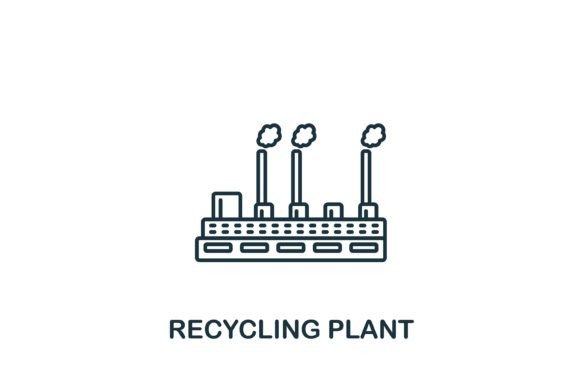
My initial assessment of the Recycling Plant Icon is positive regarding its structural integrity. The design features distinct, uncluttered lines that are essential for successful embroidery digitization. Unlike complex illustrations with gradients or excessive detail, this icon relies on bold shapes and clear negative space. This simplicity is a massive advantage when converting vector graphics into an embroidery file. The visual mood is industrial yet accessible, striking a balance between technical precision and eco-friendly warmth. It feels modern and purposeful, making it naturally suited for brands that want to communicate environmental responsibility without looking generic.
However, because this is provided as EPS, JPG, AI, and SVG files rather than a pre-digitized format, you must treat it as a raw ingredient. The "easy to edit and use" description applies to vector manipulation, but for us, it means we have full control over stitch type and density. This is actually preferable for experienced digitizers who want to avoid the poor auto-digitizing often found in generic clipart. The strong silhouette suggests it will hold up well as either a satin stitch outline or a fill stitch motif, depending on the desired texture and scale.
Real-World Application: The Organic Cotton Tote Bag Test
To truly evaluate this icon, I mentally placed it in a current project scenario: a custom embroidered tote bag for a local zero-waste market vendor. The client needed branding that was instantly recognizable from a distance but subtle enough to appeal to minimalist shoppers. The Recycling Plant Icon fits this brief perfectly. On a natural canvas tote, the linear nature of the design allows for high contrast without heavy coverage. This is critical because dense stitching on unlined canvas can cause puckering or make the bag feel stiff and board-like.
In this context, I would digitize the icon using a combination of running stitch for finer internal details and satin stitch for the outer boundary. This approach maintains the lightweight feel required for a functional tote bag design while ensuring the logo remains legible. For an Etsy seller or small shop product, this versatility is key. You could use the same digitized version for a sweatshirt embroidery placement on the left chest, or scale it down for a woven label. The icon’s balanced proportions mean it doesn't distort when resized, which protects brand consistency across different merchandise types.
Navigating Fabric Limitations and Hoop Constraints
While the Recycling Plant Icon is versatile, it requires careful handling on specific substrates. Because it is a line-based symbol, registration errors become obvious. If you are working with stretchy fabrics like jersey knits for baby embroidery or t-shirts, the linear elements can gap or pull if the stabilizer is insufficient. I always recommend testing on scrap fabric first, especially when moving from stable woven materials to unstable knits. A cut-away stabilizer is non-negotiable here to maintain the crispness of the icon's geometry.
Small hoop sizes present another challenge. If you intend to use this for cap embroidery or small patches, you must verify that the line weight remains visible after scaling down. Thin lines that look elegant on screen may disappear into the fabric texture or break during stitching if they fall below the minimum stitch length threshold. Conversely, on textured fabrics like terry cloth towels or fleece blankets, the open spaces of the icon might get lost. In these cases, adding a knockdown stitch or increasing the column width during digitization is necessary to ensure the recycling symbol pops against the pile. Always inspect small details in your software before sending to the machine; what looks fine in a printable mockup might be physically impossible to stitch at 2 inches wide.
Commercial Value and Professional Presentation
For creative entrepreneurs and commercial embroidery businesses, the value of this asset lies in its adaptability. Using a cohesive set of icons helps build a recognizable brand identity. The Recycling Plant Icon pairs logically with other environmental symbols, allowing you to create themed collections for holiday gifts, nursery decor, or corporate merchandise. When customers see consistent, high-quality stitching across various products, it builds trust in your handmade product quality. A jagged, poorly registered logo screams amateur, whereas a clean, well-executed version of this icon signals professionalism.
Furthermore, having the source AI and SVG files means you can create matching digital assets. You can use the exact same graphic for your website, packaging stickers, and social media templates, then offer the physical embroidered version as a premium upsell. This alignment between digital and physical branding is something savvy buyers notice. However, a vital reminder for all sellers: confirm your licensing terms. Just because a file is editable does not automatically grant permission to sell finished embroidered goods or resell the digital embroidery file. Protect your business by verifying usage rights before listing any personalized gift or commercial item.
Essential Designer Notes for Successful Execution
Before you load this design into your production queue, run through this practical checklist to ensure the best results:
- Test Stitching: Never skip the test run. Verify how the line weight interacts with your specific fabric texture and thread colors.
- Contrast Check: Evaluate the design in black and white mockups. If the icon relies solely on color differentiation rather than value contrast, it may fail on dark fabrics or when stitched in monochrome.
- Density Review: Since this is a vector conversion, manually check stitch density. Avoid overly dense areas that could needle-punch delicate fabrics or cause thread breaks.
- Stabilizer Selection: Match your backing to the fabric stability, not just the design size. Stretchy fabrics require more support than the icon's simplicity might suggest.
- Licensing Verification: Double-check whether your purchase includes commercial rights for both physical products and digital design assets.
- Scale Testing: Determine the minimum viable size. Measure the thinnest line in your embroidery software to ensure it meets your machine’s technical limits.
The Recycling Plant Icon offers a fantastic foundation for sustainable-themed embroidery projects, provided it is treated with the technical respect required for textile application. Its clean lines and symbolic clarity make it a winner for everything from boutique branding to personalized eco-gifts. By approaching the digitization process thoughtfully and respecting the physical constraints of thread and fabric, you can transform this simple vector graphic into a high-value asset for your creative business. Remember, great embroidery isn't just about the art; it's about the intelligent translation of that art into a durable, beautiful finished product.