Robot Vacuum Icon: An Embroidery Designer’s Review
First Impressions for Stitch and Screen
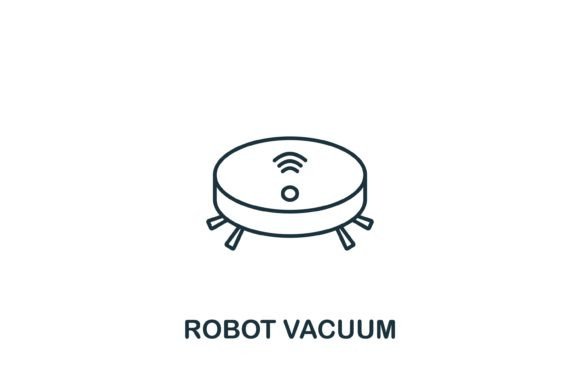
As a designer who constantly bridges the gap between digital assets and tangible handmade products, I approach every new graphic with a specific question: will this actually work when thread hits fabric? The Robot Vacuum Icon presents itself as a clean, simple line element symbol intended for templates, web design, and infographics. While its primary marketing suggests digital utility, my eye immediately went to its potential as a minimalist machine embroidery design. The aesthetic is modern, uncluttered, and distinctly functional. It lacks the ornate flourishes that often plague digitized graphics, which is actually a massive advantage for stitchers. The shape is recognizable without being cartoonish, striking a balance that appeals to adult consumers looking for smart home themed custom apparel or novelty kitchen textiles.
When evaluating this embroidery file candidate, the "simple line" description is key. In the world of Icons and Graphics, simplicity translates directly to stitch clarity. Complex gradients or tiny details often get lost in translation from vector to hoop, but this design’s bold geometry suggests it was created with scalability in mind. For an Etsy seller or craft business owner, this means less time editing out impossible details and more time focusing on placement and product curation. The included EPS, AI, SVG, and JPG formats provide excellent starting points for redigitizing, allowing you to control the stitch density rather than relying on auto-digitizing software that might misinterpret the clean lines.
Real-World Application: The Smart Home Tote Bag
To truly test the viability of the Robot Vacuum Icon, I mentally prototyped a project that fits my current client roster: a canvas tote bag design for a local cleaning service’s promotional giveaway. They wanted something that felt tech-forward but still crafty and approachable. This icon fits that niche perfectly. Because the design relies on linear elements, I envisioned using a crisp running stitch or a narrow satin stitch to outline the robot’s form. This approach keeps the finished product lightweight and flexible, avoiding the bulletproof vest effect that dense fill stitch areas can create on unstructured bags.
For this specific embroidery project, the icon’s personality drives customer engagement. It signals "modern efficiency" without feeling cold. When placed centrally on a natural canvas tote, the contrast between the organic fabric texture and the precise, technological symbol creates a high-value visual tension. This is exactly what buyers look for in small shop products. Furthermore, because the files are easy to edit, I could quickly scale the icon down for a matching embroidered patch or scale it up for sweatshirt embroidery without losing definition. This versatility makes it a reliable asset for creating cohesive collections across different design assets.
Navigating Fabric Challenges and Hoop Limitations
However, no design is universal, and the Robot Vacuum Icon requires thoughtful application. As a reviewer, I must highlight where caution is needed. If you are working with highly textured fabrics like terry cloth for a tea towel or fleece for a blanket, the "simple line" nature of this icon becomes a vulnerability. Thin lines can sink into the pile, making the robot disappear. In these cases, you would need to adjust the stitch density or add a knockdown stitch beneath the design, which alters the original minimalist intent. Always check your fabric texture before committing to a production run.
Additionally, consider your hoop size and stabilization strategy. While the icon is geometrically stable, resizing it too small for items like baby clothes or cap fronts risks closing up the interior negative spaces. A robot vacuum needs to read as a machine, not a blob. If you are targeting the baby embroidery market, ensure the design remains open and soft; sharp, dense satin stitches on infant garments can be uncomfortable. Conversely, on stretchy knits used for holiday embroidery or casual wear, improper stabilizer choice will distort those clean circular lines into ovals. Test on scrap fabric first. The digital perfection of the SVG file does not guarantee physical perfection without proper mechanical support.
Commercial Value and Professional Presentation
For the commercial embroidery professional or digital product seller, the value of this asset extends beyond a single stitch-out. The availability of vector formats (AI, EPS) alongside raster (JPG) and web-ready (SVG) files streamlines the workflow for creating printable mockups. Before I ever thread a needle, I use these files to create realistic digital previews for client approval. Being able to show a crisp vector rendering next to a simulated stitch-out builds immense customer trust. It demonstrates professionalism and helps manage expectations regarding how the personalized gift or branded merchandise will actually appear.
From a licensing and business perspective, always verify the specific terms included with your download. While the product description notes it is "easy to edit and use," confirming whether you have rights for commercial reproduction of the digital embroidery file versus just the physical finished product is critical. For Etsy sellers, this distinction protects your shop. Assuming the license permits, this icon serves as a fantastic base for niche marketing. Smart home enthusiasts, tech cleaners, and gadget lovers are underserved demographics in the embroidery space. Using a dedicated Robot Vacuum Icon allows you to capture search traffic and buyer interest that generic floral or animal designs simply cannot reach.
Designer Notes for Successful Implementation
- Verify File Compatibility: Although EPS, AI, SVG, and JPG are provided, confirm they import correctly into your specific embroidery software before purchasing. Not all digitizing programs handle vector imports identically.
- Thread Color Contrast: This design relies on silhouette recognition. Test thread colors against your chosen fabric background. Low contrast (e.g., grey thread on silver fabric) will make the technical details vanish. High contrast ensures the icon reads clearly from a distance.
- Stitch Type Selection: Decide early if you want a sketchy, artistic look (running stitch) or a polished, corporate logo look (satin stitch). The source file supports both interpretations, but they require different digitizing parameters.
- Mockup Testing: Use the provided JPG or SVG to create black and white mockups. If the design doesn't read well in grayscale, it likely lacks sufficient structural definition for embroidery.
- Washability Check: If using this for kitchen towels or aprons, remember that simple line art can snag. Consider a slightly wider stitch width or a protective topping if the item will face heavy laundering.
- Licensing Confirmation: Explicitly check if the license covers selling the digitized file itself or only physical goods. This is vital for creative entrepreneurs selling design assets.
Ultimately, the Robot Vacuum Icon is a deceptively powerful tool for the modern maker. It strips away unnecessary complexity to focus on form and function, mirroring the appliance it represents. Whether you are stitching a custom apron for a tech-savvy chef or building a brand identity for a cleaning startup, this graphic offers a solid foundation. By respecting the interplay between digital vectors and physical thread, you can transform this simple symbol into a standout piece of embroidered art that resonates with contemporary buyers.